
The Nature of Luck in Gambling
Luck is often viewed as a fundamental component of gambling, particularly in casino games. In essence, luck refers to unforeseen circumstances that can significantly affect the outcome of an event. When it comes to games such as slots and roulette, chance plays the most dominant role. The random number generators used in electronic games, or the spin of a roulette wheel, rely entirely on luck, making these games unpredictable. Many players enjoy the thrill of chance while trying their luck at the best online pokies , where the unpredictability can lead to exciting wins or losses, highlighting the importance of luck in casino experiences.
Moreover, luck can create an exhilarating atmosphere in casinos. Those moments when a player hits a significant jackpot or wins big on a game can generate excitement not just for the winner, but for bystanders as well. These instances of windfall often encourage others to take their chances, driven by the belief that fortune can smile on them just as easily. In this regard, luck serves not only as a determinant of individual success but also fuels the allure of casinos as thrilling entertainment venues.
However, it’s important to recognize that luck is inherently unpredictable, meaning that while it can lead to short-term success, it is not reliable for long-term strategies. Players must remember that the house edge in many games ensures that, over time, the casino will profit from the odds set against the players. This means that while luck can provide a temporary advantage, players should be aware of its limitations and understand that consistent success in casinos is often a delicate balance between luck and other factors.
The Importance of Skill in Casino Games
While luck plays a pivotal role in many casino games, skill is an undeniable factor in others, particularly in table games like poker and blackjack. In poker, for instance, a player’s ability to read opponents, understand probabilities, and manage their bankroll can greatly influence their winning potential. Skilled players utilize strategies based on their knowledge of game mechanics and the psychological aspects of gambling, often allowing them to outplay their opponents despite the luck component of card dealing.
Similarly, in blackjack, players can use strategies such as card counting to enhance their odds. Understanding when to hit, stand, double down, or split can significantly improve the chances of winning. This strategic approach shows that skill can effectively mitigate the influence of luck, allowing knowledgeable players to minimize losses and capitalize on their winnings. The interaction of skill and strategy fosters a competitive edge that can lead to sustained success in these games.

Furthermore, the development of skill over time enhances a player’s enjoyment of the game. The more a player learns about the intricacies of a table game, the more they can appreciate the tactics involved. This engagement not only offers a more rewarding experience but also encourages players to refine their strategies, thus amplifying their chances of success in future games. As players invest time in honing their skills, they come to realize that while luck may play a role, a well-thought-out strategy can significantly outweigh random chance.
The Psychological Aspect of Luck and Skill
The relationship between luck and skill in gambling also carries significant psychological implications. Gamblers often fall into cognitive biases surrounding luck, leading to overconfidence or the belief in patterns that don’t exist. For example, players may think that after a series of losses, they are “due” for a win, which can influence their betting behavior and decisions. This psychological phenomenon, known as the gambler’s fallacy, can lead to risky decisions that overlook the random nature of chance games, ultimately affecting their overall success.
Conversely, players who recognize the importance of skill may experience a different psychological journey. They may focus on improving their understanding of the game and developing strategies, rather than relying solely on luck. This growth mindset can enhance their gaming experience, as they feel more in control and engaged in the process. Instead of merely waiting for fortune to favor them, these players actively participate in their outcomes, which may lead to greater satisfaction and engagement in their gambling experience.
Moreover, the balance of skill and luck can dictate how players approach their time in a casino. Some may choose to focus on games that require significant skill to optimize their chances of winning, while others might find enjoyment in purely luck-based games for their unpredictability and excitement. Understanding one’s preferences and psychological leanings can help players tailor their gambling experiences, leading to more responsible and enjoyable interactions with casino games.
The Role of House Edge in Casino Gambling
The house edge is an essential concept to understand when dissecting the interplay of luck and skill in casinos. This term refers to the mathematical advantage that the casino holds in every game, ensuring that over the long run, the establishment will profit. Different games have varying house edges, with some, like slots, having a higher edge compared to games of skill like poker. This factor underscores the reality that while a player may experience streaks of luck, the odds are ultimately tilted in favor of the house.
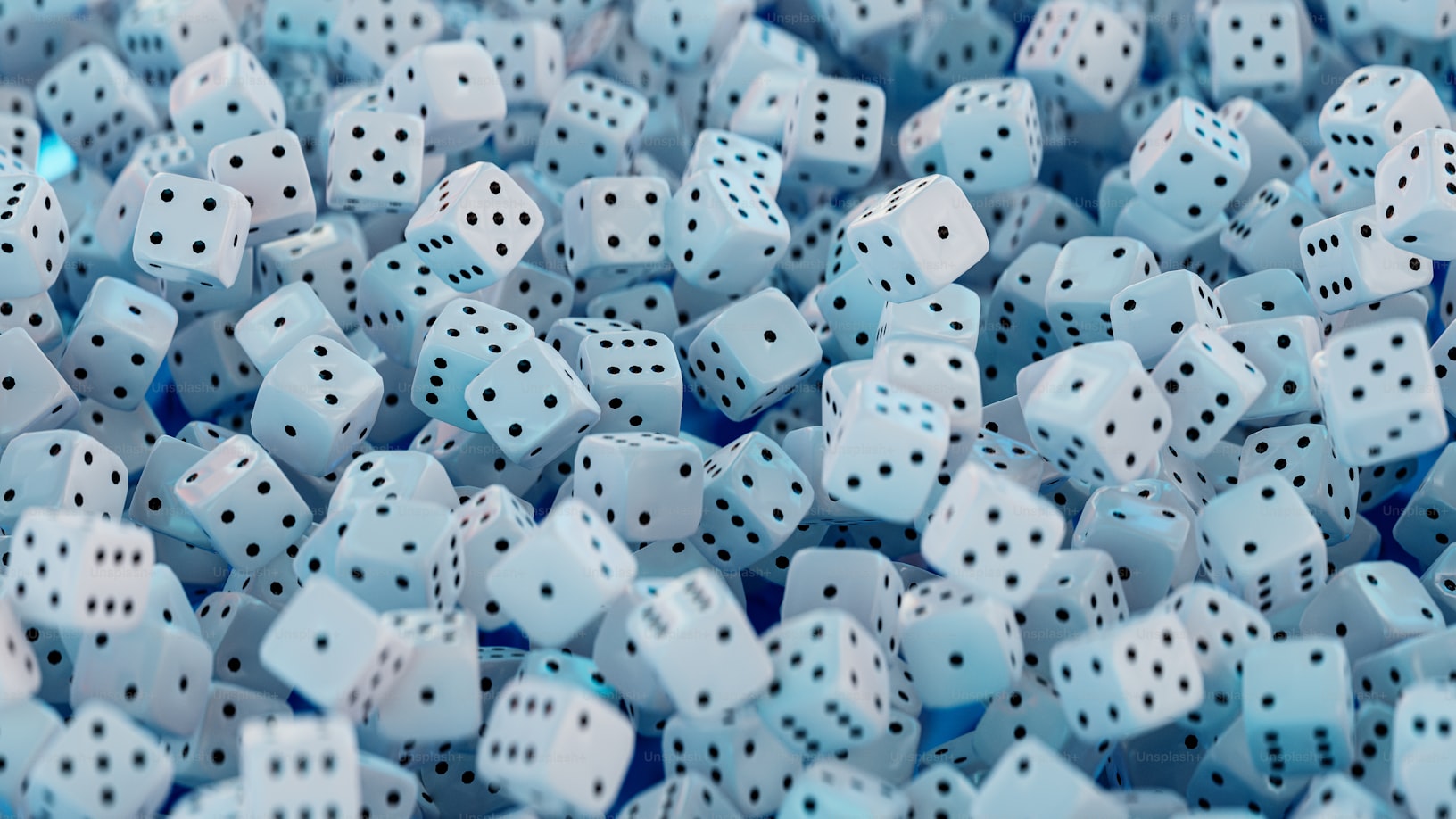
This persistent advantage of the casino can create a complex landscape for players trying to navigate their chances of success. While luck can lead to short-term wins, a consistent strategy that considers the house edge is crucial for long-term play. Gamblers who ignore the implications of the house edge might find themselves at a disadvantage over time, as luck can only carry them so far against the calculated odds that favor the casino.
Understanding the house edge also plays into the decision-making framework for players. Recognizing games with lower house edges, such as blackjack or baccarat, and focusing their skills on these can help players minimize losses and maximize potential winnings. This knowledge empowers players to make informed choices and to strategize their approach to gambling, illustrating how an understanding of the house edge can enhance both skill application and overall casino success.
Conclusion: Finding the Balance for Success
Ultimately, the path to success in the casino world is a nuanced interplay between luck and skill. While luck can bring about unexpected wins and thrilling moments, developing skill in specific games can provide a sustainable advantage. Emphasizing one aspect over the other can lead to a lopsided approach that may not yield the desired results. Players should strive to cultivate both their understanding of game mechanics and their ability to adapt to the unpredictable nature of luck.
Moreover, recognizing the role of psychological factors and the house edge is imperative for informed decision-making. By combining skillful strategies with a realistic understanding of luck, players can create a balanced approach that enhances their gaming experience. It’s this blend of knowledge, strategy, and a touch of luck that ultimately paves the way for long-term engagement and success in the world of casinos.
For those seeking further insights into the intricate relationship of luck and skill in gambling, informative resources and communities are available. Engaging with others who share the same interest can foster a deeper understanding of the games and strategies that can improve overall chances of success. Embracing a holistic perspective on casino gaming will not only enrich the gameplay experience but also promote a thoughtful approach to luck and skill in the pursuit of gambling success.